What If Your $70+ Laundry Detergent Is a Lie?

You won't believe what I have discovered. In my question to find autonomous solutions to reduce costs, I began looking at my everyday needs and began to wonder what could I do to reduce anything to basic ingredients and make it myself. How much is it going to cost me to do it? How much time will it take? Is it going to be complicated? Will I require special tools? And a whole load of other questions that I had to tackle.
So I started with one of the basic necessities everyone requires. Hygiene. More specifically, soap. The fight was on.
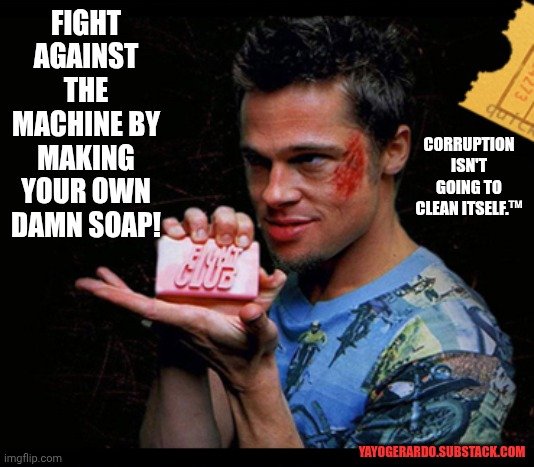
Now, there are various different methods to do this, but before I reveal what one of those methods is, there is something you have to know, and it's the truth on why you need to do this, by revealing the lie that has been sitting in your laundry room for long as you can remember, eating away at your income unnecessarily. By the time you finish reading this, you won't look at that whole soap aisle the same way again.
Something smells a little too good to be true
Think about what we've been taught to associate with “clean.” Your clothes come out of the washing machine smelling like lavender, fresh linen, spring flowers, ocean breeze, or whatever artificial scent the bottle promises this time, and somehow we've accepted that if it smells clean, it must be clean, but here's the question nobody seems to ask:
When did clean clothes start needing to smell like anything at all?
For the majority of us, we spent our entire lives watching advertisments being shoved down our throats everywhere we go. For the most part, until experience and patterns catch up to our awareness, we take all of them at face value as the only way to be. We need the things they're selling us, and what they are selling has to come from them and we don't question one bit of it. Until we do.
The 1947 Tide-al Wave That Slowly Washed Your Mind Away

Synthetic detergents weren't simply invented as a pointless replacement for soap. Hard water was a genuine technical problem for traditional soaps, and synthetic surfactants offered huge advantages. During World War II, shortages of fats also accelerated the move toward synthetic surfactants. By 1933, Procter & Gamble introduced Dreft as a solution for household synthetic detergent. It was convenient, affordable, and practical for the times and lifestyles of the average city civilian and suburban home, who were not accustomed to making their own soaps. For the crapitalusts, they were counting on that fact to remain that way.
Then just a little over ten years later, Tide was deliberately developed and marketed itself as a major new category of cleaning product. To really sell their products and land it home hard, huge investments in marketing played a huge role in teaching consumers what “clean” was supposed to look and feel like.
Historical advertising emphasized things like “Washday Miracle” and “Oceans of Suds.” A contemporary historical account even documented that consumers had become conditioned to associate suds with cleaning efficiency, to the point that products could be rejected if they didn't produce enough foam. How many of kids now look at soap and believe it ain't cleaning shit if no foam is produced? Feeling cheated on yet?
It didn't stop with the suds.
Over time, the same idea expanded into everything else we associate with that little bottle of detergent. More fragrance. Longer-lasting fragrance. Brighter colors. “Freshness” that lasts for days. Special formulas for this fabric, that color, this type of stain, that type of washing machine.
We've gone from simply washing our clothes to being sold an entire experience of what clean is supposed to look, feel, and smell like. The more features they added, the easier it becomes to believe that you need the product itself rather than understanding what is actually doing the cleaning. We essentially stopped asking what we actually needed to make a cleaner and started asking which bottle we should buy.
If I can buy a bottle of this stuff for $70 or more, what exactly am I paying for? What is actually inside of it that makes it necessary for me to keep buying another bottle every time I run out? Why can't I just get the basic ingredients myself and make the damn thing?
When you start breaking these products down into their basic components, you begin to realize just how much of what we buy is the finished product rather than some magical substance that only a company knows how to create. What we lost somewhere along the way was the knowledge of how to put those things together ourselves.
Instead of asking which detergent I should buy next, I started asking a completely different set of questions.
What are the actual ingredients?
What does each one do?
How much does each ingredient cost?
How much of each ingredient do I actually need?
How much can I make from one purchase?
How long will it last?
And most importantly, why the hell am I paying someone else $70+ over and over again to do something I might be able to make myself for a fraction of the cost?
That $70+ bottle you buy and go through before the month ends is one of the biggest scams you have been told in regards to this topic. What if I told you, that it's basically 3 ingredients, a majority of it being 90% water less than 3% is surfactants and the rest is synthetic food coloring dyes and artificial scents and that's it. You're paying roughly $30USD for water to be shipped and packeged into a plastic jug and the rest of the cost is for their brand name and design. Feeling cheated on yet?
In the 1950s, the soap industry couldn't charge premium prices for the raw materials because anyone could just buy them. That's why they added scents to their product and marketed that for decades to train the human brain to accept pleasant smells for cleanliness. It was a hook and the people fell for it hard.
The Chemistry
The actual chemistry for cleaning clothes does not require any of that. All you need is 3 ingredients.
- Surfactant - This is to break the surface tension
- Water Softener - To neutralize hard water
- Alkaline Catalyst - To raise pH and lift oils and grease of fabric fibers.
That's it.
Here's what you need:
- Pure Castile Soap — The Surfactant — Aprox. $5 per Bar
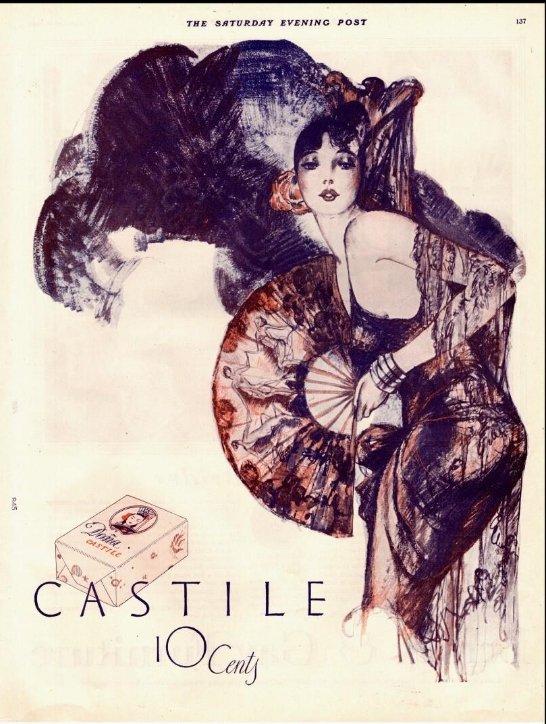
This is the actual soap doing the heavy lifting when it comes to grabbing onto oils, dirt and other grime so they can be carried away in the wash. You don't need some fancy bottle of liquid detergent with a paragraph-long ingredient list to accomplish that. A simple bar of pure Castile soap can do the job, and the cool part is that it now comes with natural scented oils. This product is entirely 100% natural and much safer than the surfactant they put in other commercial detergents.
Also, you don't necessarily have to keep buying the bar either. We'll come back to that later.
- Arm & Hammer Super Washing Soda — The Water Softener & Alkaline Booster — approx. $5USD
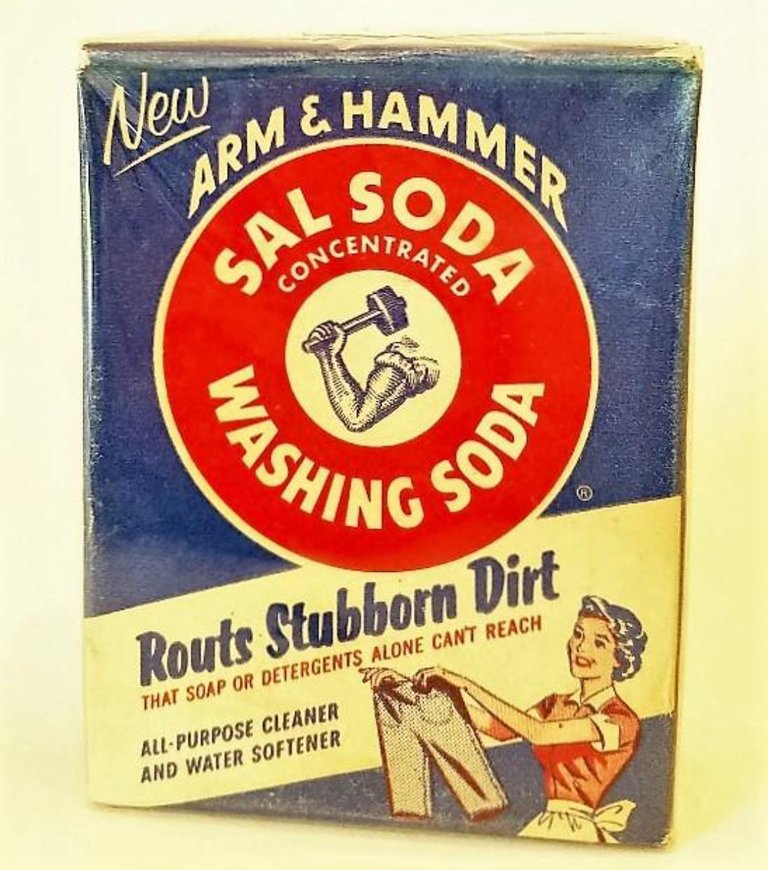
Pay attention here because this is washing soda, NOT baking soda. They are not the same thing. Washing soda is sodium carbonate, while baking soda is sodium bi-carbonate. The washing soda helps deal with the minerals in hard water while also raising the alkalinity of the wash, helping the cleaning process work more effectively.
- 20 Mule Team Borax — The Laundry Booster — approx. $15USD
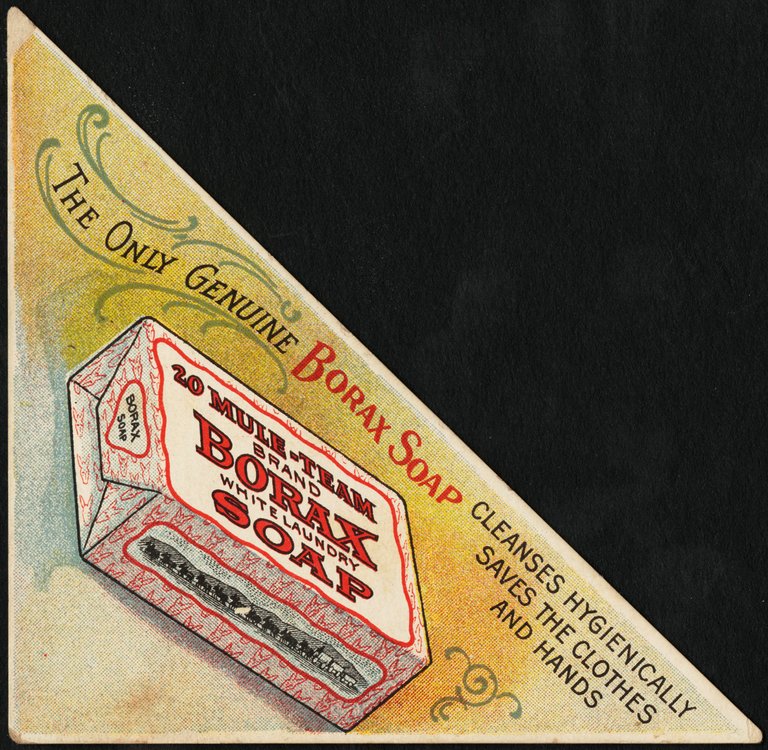
Borax is sodium tetraborate, a naturally occurring mineral compound that has been used as a laundry and cleaning additive for generations. It helps with the cleaning process and water conditioning, making it another useful part of this simple combination.
Three ingredients.
That's it.
No bottle full of colored liquid. No artificial perfumes designed to convince your nose that your clothes are cleaner than they actually are and no more giving you migraines either as some people get. No paying over and over again for somebody else to mix three basic components together and put a fancy label on the bottle, and certainly no more skin rashes.
The total cost for these bulk items is roughly $25USD. But for these materials, you'll have plenty of leftovers to keep making several batches with each batch lasting the full year or 300 loads worth with ½ cup per full load of your homemade white gold detergent. All in all, you'll be using about $6-8USD worth of ingredients per batch. Each batch being a 5 gallon bucket. I recommend you get a food grade bucket but one of those orange ones with a snap on lid will do from Home Depot. All you need is 1. I just checked their website and they sell for about 4 bucks per bucket, but they come in packs of three so about 13-14 bucks after extortion fees.
Totally worth it. Make 3 batches and sell two for $30 each to your neighbors or family members and you just got a refund plus profit.
How To Make It
Add 1 full cup of grated pure Castile soap into a small saucepan.
Add 4 cups of water, set it to low heat, and stir occasionally. Never let it boil, or you can ruin the batch. Do this for about 10 minutes, or until all the soap flakes have melted thoroughly.
While that's happening, fill your 5-gallon bucket halfway with the hottest water your faucet can handle. You can also preheat the water separately and add it to the bucket. Halfway.
Once your soap is fully melted, add it to the bucket. Then add 1 full cup of washing soda, followed by 1 full cup of Borax, stirring each time you add an ingredient.
Keep stirring for about 2 minutes, or until you see the chemical change take place. You'll feel it change as you're stirring it. Once that's done, fill the rest of the bucket with cold water.
Slap the lid on it and, importantly, let it sit for 8–12 hours overnight.
When you open it the next day, you'll find that the mixture has changed into this translucent, gel-like substance.
That's your white gold.
How To Use It
Use ½ cup of your natural homemade white gold detergent gel per full load.
You can put it directly into the tub or into the front loader before inserting the clothes. Unlike other detergents, this won't stain your clothes if you put the white gold directly over them. The gel dissolves instantly.
And here's another thing you'll notice:
No suds.
That means less unnecessary foam for those highly sensitive washing machines.
There are no synthetic dyes or artificial scents in this recipe. That's not just about avoiding the perfume smell. Fragrance ingredients can cause skin irritation or allergic reactions in some people, which is why dermatologists recommend fragrance-free and dye-free laundry products for people with eczema or sensitive skin.
And if you're one of those people who gets migraines triggered by strong smells, you're not imagining that either. Research has found that odors, particularly perfumes and cleaning-product smells, can trigger migraine attacks in some people.
So instead of adding fragrance to make your clothes feel cleaner, we're leaving it out.
No fake “freshness.” No perfume bomb. Just clean clothes.
For an extra boost, brighten your colors and whites by putting your clothes out in the sun to dry once in a while. You don't need to run your dryer every single time, and avoiding all that heat can help preserve the lifespan of your clothes.
Cleaner than industrial soaps.
Bonus: You Can Make The Soap Too


Remember when I said you don't necessarily have to keep buying the Castile soap either?
Long before you could walk into a store and buy a bar of soap, people were making it themselves from things they already had available. One of the traditional methods was to use wood ash, water, and animal fat or other oils.
The wood ash wasn't magically turning into soap. The ash provided the alkaline material needed for the process. Traditionally, people would leach water through the ashes to extract the alkaline salts, producing what was commonly called lye or potash. That alkaline solution could then be combined with fats and heated to produce soap.
You could literally start with firewood, water, and leftover fat and turn those basic materials into something useful for cleaning.
The traditional wood-ash method generally produced a softer, paste-like soap because the potassium-based alkali behaves differently from the sodium hydroxide used to make modern hard bars. That's not a problem when your goal is laundry and general cleaning. In fact, soft soap was historically used for exactly those kinds of jobs.
So now we're not just talking about making our own laundry detergent. We're talking about making the soap that goes into the laundry detergent itself. So, instead of buying another bar every single time you run out, you can learn how soap is actually made, and eventually produce your own stock supply from basic materials.
Also, if you've seen the movie Fight Club, there was a scene where Tyler Durden deliberately burns the Narrator's hand with lye while explaining the process of making soap. That part is real enough. The chemistry they're talking about is based on actual soapmaking, although the movie obviously takes it to an extreme.
If you're going to try making soap yourself, don't fuck around with lye. Wear proper protection, work in a well-ventilated area, and know what you're handling. Lye can cause serious chemical burns. If you get lye on your skin or in your eyes, immediately flush the affected area with plenty of running water and seek appropriate medical guidance. Don't try to neutralize a skin exposure with vinegar.
You don't need to know how to manufacture everything from scratch tomorrow. You just need to start learning how the things you depend on actually work today, because the more you learn to make your everyday needs for yourself, the less you have to depend on somebody else to make it for you.
That's what self-sufficiency actually looks like.
If this article saved you some money, share it with someone who could use it. Knowledge like this is worth more when it gets passed around.
- @yayogerardo, writer, researcher, analyst, anarchist, autonomist, Human
Find Me
Services
Independent Research & Investigation Services
Help Keep the Research Going
I'm doing this independently, and right now I make very little from it.
If you want to help me keep researching and publishing, you can support the work with XMR.
XMR:
86fXjLUF7W9SwGSjTtsbqq4t1LKzzypEZa1t77S5c68WF3yK9SmEfzPTtRyjUhDSk9Zn7p1ahFJT4PcKW8MN4h3QRpjx2Q5
Posted via HiveSuite